
Jumbo Bag Printing Machine
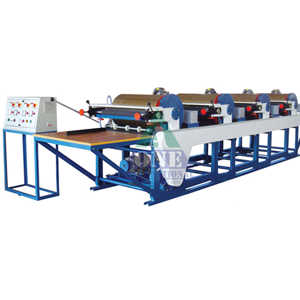
Jumbo Bag Printing Machine: High-Performance Printing for FIBC Big Bags
A jumbo bag printing machine is a heavy-duty flexographic press designed to print clear, durable graphics on FIBC (Flexible Intermediate Bulk Container) jumbo bags and large woven panels.
It handles oversized PP and HDPE woven fabrics with precision, allowing manufacturers to add branding, safety information and handling instructions to big bags used in demanding bulk packaging applications.
What Is a Jumbo Bag Printing Machine?
A jumbo bag printing machine is a specialised press built for printing on large-format woven sacks and FIBC panels rather than standard small bags.
It is engineered to support much wider and longer fabrics, typically the body fabric or panels of one-ton and bulk bags used for chemicals, minerals, grains, fertilisers and construction materials.
Most jumbo bag printing machines use flexographic printing, where flexible photopolymer plates mounted on large cylinders transfer ink to the woven fabric.
This technology combines high-speed production with the ability to print on textured, heavy-gauge polypropylene and HDPE woven fabrics while maintaining legible, abrasion-resistant prints.
How a Jumbo Bag Printing Machine Works
In a typical configuration, cut FIBC panels or wide woven fabric sheets are fed into the jumbo bag printing machine using a heavy-duty feeding and guiding system.
The machine aligns each panel using mechanical or pneumatic guides so that the print area matches the intended position on the finished jumbo bag.
As the panel passes through the press, an anilox roll meters a precise film of ink onto the flexographic plate, which then presses the image onto the woven surface.
Depending on the design, the jumbo bag printing machine can be equipped with multiple colour stations to print logos, hazard icons, text blocks and gridlines in a single pass.
After printing, the panel moves through a drying zone that uses hot air or IR heaters to cure the ink without shrinking or distorting the woven fabric.
The printed panels are then collected, stacked and transferred to cutting, sewing and assembly lines where they are turned into complete jumbo bags.
Why a Jumbo Bag Printing Machine Matters
Jumbo bags carry heavy, high-value or sensitive products, so clear, tough printing is more than cosmetic; it is an operational and safety requirement
Information such as safe working load (SWL), safety factors, filling and discharge instructions, barcodes, batch numbers and hazard symbols must remain readable throughout the bag’s life.
A dedicated jumbo bag printing machine is designed to deliver this level of reliability on large woven surfaces that face rough handling, stacking, loading with forklifts and exposure to weather.
It ensures that branding and critical data survive transport and storage, supporting traceability, compliance and brand reputation in global supply chains.
Key Features of a Jumbo Bag Printing Machine
The right jumbo bag printing machine combines robust mechanics with precise control systems tailored to FIBC fabrics and formats.
When evaluating machines, it is important to look at the range of sizes supported, the print quality achievable and the productivity features offered.
|
|
|
|
|
Many jumbo bag printing machines also include variable speed drives, digital counters, job memory functions and user-friendly control panels.
These features help operators set up, run and repeat jobs efficiently while maintaining consistent quality from batch to batch.
Applications of a Jumbo Bag Printing Machine
Jumbo bag printing machines are used wherever FIBC big bags and large woven containers are part of the packaging mix.
Common sectors include chemicals and petrochemicals, minerals and mining, cement and construction, fertilisers, grains and seeds, sugar and starch, and recycling and waste management.
In these industries, printed jumbo bags serve both functional and marketing roles.
They communicate essential handling information and also carry brand logos and product identifiers that make pallets and container loads easy to recognise in warehouses, ports and job sites.
Business Benefits of a Jumbo Bag Printing Machine
For FIBC manufacturers and converters, a jumbo bag printing machine increases throughput and reduces dependency on external printing services.
Once a job is dialled in, it can print large runs of jumbo bag panels with consistent ink density, colour tone and registration, lowering cost per printed bag.
For brand owners and bulk product suppliers, the machine ensures that every jumbo bag leaving the plant reflects the same clear, professional appearance and accurate information.
This consistency supports safety audits, customer trust and brand visibility across long, complex supply chains.
Choosing the Right Jumbo Bag Printing Machine
Choosing the best jumbo bag printing machine starts with understanding your jumbo bag specifications, order volumes and print requirements.
Key factors include maximum panel width and length, number of colours required, typical fabric weights, target production speed and the level of automation your operation needs.
It is also important to consider how the jumbo bag printing machine will integrate with cutting, sewing and inspection lines, as well as the types of inks and drying systems preferred.
By matching these needs with a machine purpose-built for FIBC and jumbo bag production, you can turn large-format printing from a bottleneck into a strategic strength in your packaging process.