
Flexographic Printing Machine
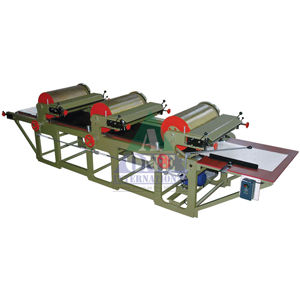
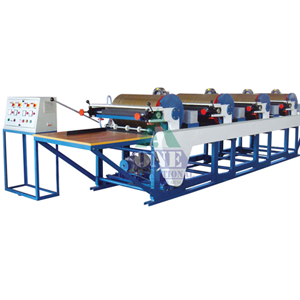
Flexographic Printing Machine: High-Performance Printing for HDPE & PP Woven Bags
A flexographic printing machine is one of the most important investments a packaging manufacturer can make, especially when printing on HDPE & PP woven bags, jumbo bags and multiwall paper sacks at scale.
When properly configured, it becomes the core engine that drives brand visibility, product trust and efficient production in competitive packaging markets.
What Is a Flexographic Printing Machine?
A flexographic printing machine is a high-speed rotary press that uses flexible relief plates and precisely engraved anilox rolls to transfer ink onto a continuously moving web of material.
Unlike traditional printing systems that struggle with textured or porous surfaces, flexographic technology is designed to print cleanly on woven fabrics, paper sacks and similar substrates
In a typical printing line, the flexographic printing machine unwinds a roll, meters a controlled film of ink onto the plate, presses the design onto the substrate, dries the ink almost instantly and then rewinds or sends the material for cutting and stitching.
Because each stage is synchronised, one flexographic press can produce thousands of accurately printed bags in the time slower processes spend on repeated setup and adjustments.
Why Flexographic Printing Machines Excel on Woven & Sack Packaging
HDPE & PP woven bags, flour sacks, cement and fertiliser bags, non-woven sacks, jumbo bags (FIBC) and multiwall paper sacks all present unique printing challenges due to their structure and surface.
The woven texture, slight movement of threads and optional laminations demand a printing method that can adapt to surface variations without sacrificing clarity
A flexographic printing machine solves this by combining flexible plates with carefully metered ink transfer, allowing graphics to remain crisp and readable even on textured woven fabrics.
This is why industries that rely on HDPE & PP woven sacks for grains, fertilisers, chemicals or construction materials frequently standardise around flexographic printing solutions
Key Capabilities of a Modern Flexographic Printing Machine
Not every flexographic printing machine is built the same, and the difference often shows up in registration accuracy, uptime and overall cost per bag.
For woven and sack applications, the most effective machines blend strong mechanical design with fine control over ink density, web handling and job setup.
|
|
|
|
In specialised solutions for HDPE & PP woven bags, additional mechanisms such as STOP AND GO margin positioning further improve print alignment and reduce waste.
These details directly impact productivity by reducing setup time, misprints and manual corrections during long runs.
Applications of Flexographic Printing Machines in Packaging
A major advantage of investing in a flexographic printing machine is its versatility across different packaging formats and industries.
A single well-configured press can handle varied products and substrates, improving asset utilisation and simplifying training for operators.
|
|
|
|
|
Because a flexographic printing machine manages high speeds with relatively quick changeovers, it suits both repeat long runs and product portfolios with frequent design or size changes.
How Flexographic Printing Machines Boost Brand Visibility
In many markets, a woven bag or paper sack doubles as a moving billboard for the brand.
A flexographic printing machine allows manufacturers to take full advantage of this real estate with sharp logos, strong colours and clean typography that remain legible from warehouse to retail shelf.
Multi-colour capability and accurate registration make it easy to combine brand elements with essential content such as usage instructions, safety icons, certifications, barcodes and even QR codes.
Because flexo is optimised for long runs, this level of detail can be maintained cost-effectively even when printing tens of thousands of HDPE & PP woven bags or jumbo bags per batch.
Productivity and Cost Advantages of Flexographic Printing Machines
From a business perspective, a flexographic printing machine delivers value through high throughput, reduced waste and a competitive cost per unit once jobs are dialled in.
Long plate life, repeatable setups and stable registration all contribute to consistent, profitable production schedules.
Modern presses further enhance performance with accessories such as variable speed AC drives, ink circulation systems, efficient drying units and digital output counters.
These elements transform the flexographic printing line into a predictable, data-driven production system rather than a collection of manual steps and assumptions.
Choosing the Right Flexographic Printing Machine for Woven Bags
Selecting the best flexographic printing machine starts with a clear understanding of current products, planned growth and material types.
Parameters such as maximum printing width, repeat length, number of colours, compatible substrates and required automation all influence long-term return on investment.
For manufacturers focused on HDPE & PP woven bags, jumbo bags and multiwall paper sacks, it is crucial to choose a press specifically optimised for woven fabrics, accurate registration and continuous, high-volume operation.
With the right flexographic printing machine in place, packaging stops being just a cost centre and becomes a strategic tool for brand growth and operational efficiency.