
FIBC Printing Machine
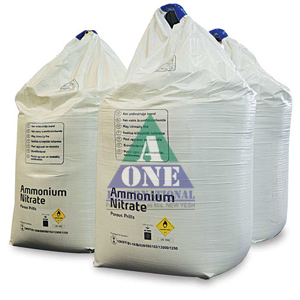
FIBC Printing Machine: High-Precision Printing for Big Bags and Bulk Containers
An FIBC printing machine is a specialised flexographic press designed to print sharp, long-lasting graphics on FIBC big bags and large woven fabric panels.
It handles wide PP and HDPE woven fabrics with accuracy, allowing manufacturers to add branding, safety information and handling instructions to bulk packaging that moves through demanding global supply chains.
What Is an FIBC Printing Machine?
An FIBC printing machine is purpose-built for printing on the body fabric and panels used to manufacture FIBC big bags, also known as bulk bags or big bags.
Instead of focusing on small sacks, it is configured for large panel sizes that match one-ton and multi-ton bag formats used for chemicals, minerals, food ingredients, fertilisers and more.
Most FIBC printing machines are flexographic systems using flexible photopolymer plates and engraved anilox rolls.
This technology allows consistent ink transfer and high registration accuracy on textured, heavy-gauge PP/HDPE woven fabrics, whether coated or uncoated.
How an FIBC Printing Machine Works
In a typical bag-to-bag or piece-to-piece configuration, cut FIBC panels are manually or automatically fed into the FIBC printing machine.
A feeding table, tracking belt or clamp system guides each panel into position, while side and front guides align it so the print will appear exactly where required on the finished bag.
Inside the press, each printing unit meters ink from an ink chamber to the anilox roll, then to the plate, and finally onto the woven fabric under controlled pressure.
Multi-colour FIBC printing machines repeat this process across several colour stations, building up complex artwork such as brand logos, hazard pictograms, gridlines and multilingual text in one pass.
After printing, the fabric passes through a drying section that uses hot air or infrared heaters to cure the ink without warping or shrinking the fabric.
Printed panels are then stacked and moved to cutting, sewing and assembly operations where they are stitched, belted and fitted with liners or valves to become complete FIBC bags.
Why an FIBC Printing Machine Matters
FIBC bags are used for heavy, high-value and sometimes hazardous products, so print quality is a safety and compliance issue as much as a branding concern.
Key information such as safe working load, safety factor, filling and discharge instructions, hazard symbols, batch codes and traceability data must remain readable from filling to final discharge.
An FIBC printing machine is built to deliver this reliability on large woven surfaces that endure rough handling, stacking, forklift movement and outdoor exposure.
It helps ensure that every big bag carries consistent, legible information that supports audits, logistics efficiency and customer confidence.
Key Features of an FIBC Printing Machine
The right FIBC printing machine combines strong mechanical construction with fine control over registration, ink flow and fabric handling.
When comparing options, it is important to look at size capability, colour range, registration accuracy and productivity features.
|
|
|
|
|
Many modern FIBC printing machines add AC drive systems, digital counters, job memory presets and optional accessories such as bag-stop systems and automatic tracking belts.
These extras improve operator comfort, energy efficiency and repeatability from order to order.
Applications of an FIBC Printing Machine
FIBC printing machines are used wherever bulk products are packed in woven big bags and containers.
Common applications include bags for cement and construction materials, fertilisers and agrochemicals, plastic granules and resins, minerals and ores, sugar and starch, grains and feed, and recycled or waste materials.
In these settings, printed FIBC bags serve both functional and marketing roles.
They communicate safe handling and transport instructions and simultaneously act as large, visible branding surfaces that make pallets, containers and truckloads easy to identify at a glance.
Business Benefits of an FIBC Printing Machine
For FIBC converters and manufacturers, an FIBC printing machine brings printing in-house under controlled conditions.
It reduces dependence on external printers, shortens lead times and allows for quick changes in artwork, languages or customer-specific designs without disrupting production.
The ability to run different sizes and designs on the same line also supports product diversification and customised packaging solutions for different markets.
For brand owners and bulk material suppliers, an FIBC printing machine ensures each big bag reflects a consistent, professional identity and accurate information.
This consistency improves warehouse management, strengthens brand visibility and supports compliance with regional labelling standards and safety norms.
Choosing the Right FIBC Printing Machine
Choosing the best FIBC printing machine starts with understanding your bag specifications and production targets.
Key considerations include maximum fabric width and length, number of colours needed, coated or uncoated fabric usage, desired output (bags per hour) and the level of automation your team can support.
It is also important to think about integration with existing cutting, sewing and inspection lines, preferred ink types and available floor space.
By matching these requirements with a purpose-built FIBC printing machine, you can turn large-format printing from a potential bottleneck into a strategic advantage in your packaging process.
With the right system in place, every FIBC bag becomes a strong, clearly marked and brand-enhancing carrier for your bulk products.