
Cement Bag Printing Machine
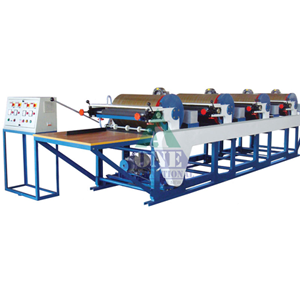
Cement Bag Printing Machine: High-Performance Printing for Heavy-Duty Sacks
A cement bag printing machine is built to print sharp, long-lasting branding and product details on cement bags made from woven PP/HDPE fabric or multiwall kraft paper.
Using flexographic printing technology, it delivers fast, consistent results on rugged packaging that must survive filling, stacking, transport and outdoor storage.
What Is a Cement Bag Printing Machine?
A cement bag printing machine is a specialised flexographic press configured for cement packaging.
It is designed to handle valve bags, open-mouth woven sacks and multiwall paper bags, keeping tension and registration under control while printing one or more colours.
Typical cement bag printing machines use flexible relief plates and engraved anilox rolls to transfer a controlled layer of fast-drying ink onto the bag surface.
This setup provides the balance of speed, durability and cost per bag that bulk cement producers and bag converters need.
How a Cement Bag Printing Machine Works
In woven sack applications, the cement bag printing machine usually runs bag-to-bag.
Individual PP or HDPE cement bags are fed into the machine, aligned with mechanical guides, printed in one or more colours, dried and then stacked or conveyed to finishing and palletising.
For paper-based cement sacks, roll-to-roll printing may be used.
Here, a kraft paper web is unwound, printed through several flexographic units, passed through reinforced dryers and then rewound for later tuber and bottomer operations that form the finished bags.
Throughout either process, the cement bag printing machine relies on strong unwinding units, heavy-duty web tension control and precise registration systems.
These elements keep material stable at high speeds so graphics, text and alignment marks remain consistent across long production runs.
Why a Cement Bag Printing Machine Matters
Cement bags face some of the toughest real-world conditions: high-speed filling, conveyor transfers, stacking, transport vibration and exposure to dust and moisture.
Printing that flakes off or becomes unreadable can cause product confusion, safety issues and a poor brand image.
A dedicated cement bag printing machine uses inks and processes chosen for abrasion and alkali resistance.
This helps keep brand logos, grade designations, strength classes, batch codes and handling symbols clear from packing plant to job site.
Key Features of a Cement Bag Printing Machine
The right cement bag printing machine is engineered for both rugged substrates and high output.
When comparing options, focus on features that directly impact quality, uptime and speed.
|
|
|
|
|
Advanced cement bag printing machines may also feature servo drives, PLC-based controls, automatic viscosity management and integrated quality monitoring.
These capabilities help maintain process stability, reduce waste and simplify operator training.
Business Benefits of a Cement Bag Printing Machine
For bag converters and cement producers, a cement bag printing machine increases throughput and improves cost control.
Once set up, it can run large orders of cement sacks with consistent print quality, lowering scrap rates and reducing line stoppages for adjustment.
For brand owners, the machine ensures every cement bag carries the same clear, professional appearance and accurate information.
That consistency builds trust with distributors, contractors and end users, and supports compliance with labelling standards in different regions and markets.
Choosing the Right Cement Bag Printing Machine
Choosing the best cement bag printing machine starts with clarifying your main bag types, substrates and production speeds.
Consider whether you primarily use PP/HDPE woven sacks, multiwall paper sacks or both, how many colours your designs require, and how the press will integrate with existing bag making and filling lines.
By matching these needs with a cement bag printing machine purpose-built for heavy-duty packaging, you can turn printing from a risk point into a reliable strength.
With the right machine in place, every cement bag becomes a tough, clearly marked carrier for both your product and your brand.